






Fitness trends in 2026 are shaping the way people train, eat, and recover. From AI-powered personal trainers and wearable technology to smarter nutrition strategies and strength training, this year’s biggest trends are focused on long-term health instead of quick fixes.
The fitness industry evolves every year, but not every new trend is worth your time. While social media is filled with flashy workouts and miracle supplements, the biggest fitness trends of 2026 are backed by science and designed to help you build sustainable habits. Whether your goal is losing weight, gaining muscle, improving athletic performance, or simply living a healthier life, understanding these trends can help you make better decisions.
Let’s explore the 12 biggest fitness trends that are set to dominate 2026.
1. AI Is Becoming Your Personal Fitness Coach

Artificial intelligence is changing the fitness industry faster than almost anyone expected. Instead of following generic workout plans, people can now receive training programs tailored to their experience level, goals, available equipment, and even recovery status.
Many AI-powered fitness platforms can adjust workouts automatically based on your progress. If you’re recovering from a difficult training session or missed a workout, your next session can be modified without needing a personal trainer.
While AI won’t completely replace experienced coaches, it has made personalized fitness advice more accessible than ever before.
2. Wearable Technology Keeps Getting Smarter

Fitness watches and smart rings are no longer just step counters. Modern wearable devices track heart rate, sleep quality, stress levels, blood oxygen, calorie expenditure, and workout intensity with impressive accuracy.
Instead of guessing whether you’re recovered enough for another hard workout, these devices provide useful data that helps guide your training decisions. Better recovery often leads to better long-term progress and fewer injuries.
As wearable technology becomes more affordable, it’s expected to remain one of the strongest fitness trends in 2026.
3. Strength Training Is Taking Center Stage

For years, cardio dominated weight-loss advice. Today, more research highlights the importance of resistance training for nearly everyone.
Building muscle doesn’t just improve appearance. Increased muscle mass supports a healthier metabolism, strengthens bones, improves balance, and makes everyday activities easier. Regular strength training has also been associated with healthier aging and improved quality of life.
Whether you’re 20 or 70, lifting weights has become one of the smartest investments you can make for your health.
4. Protein Remains One of the Most Important Nutrients
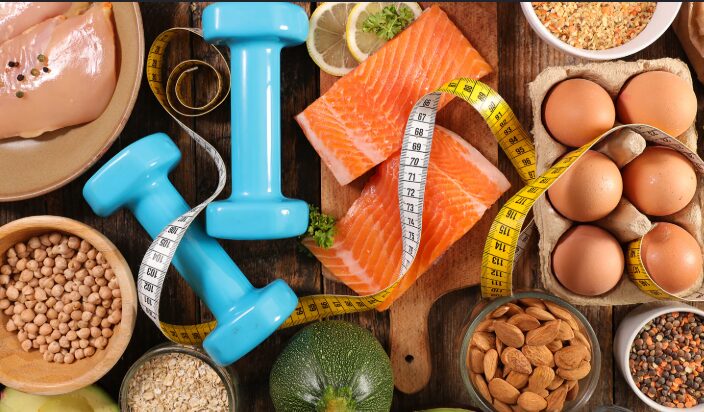
Protein continues to be one of the most discussed topics in nutrition, and for good reason. It plays a vital role in muscle growth, recovery, hormone production, and maintaining lean body mass during weight loss.
Many people still underestimate how much protein they need, especially those who exercise regularly. Spreading protein intake evenly throughout the day can help maximize muscle protein synthesis while also increasing feelings of fullness.
Whole food sources such as chicken, fish, eggs, dairy products, beans, and lean meats remain excellent choices, while protein supplements offer convenience for busy lifestyles.
5. Recovery Is Finally Getting the Attention It Deserves

Training hard is important, but recovery is where the body actually adapts.
More athletes and everyday gym-goers now understand that sleep, stress management, hydration, and proper nutrition are just as important as the workouts themselves. Recovery isn’t laziness—it’s an essential part of progress.
People are also incorporating mobility work, stretching, massage guns, and active recovery sessions into their weekly routines to improve performance and reduce injury risk.
6. Zone 2 Cardio Continues to Gain Popularity

Zone 2 cardio has become one of the hottest topics in endurance training and fat loss.
This type of exercise involves maintaining a moderate intensity where you can still hold a conversation while exercising. Although it may seem easy compared to high-intensity workouts, Zone 2 training helps improve cardiovascular fitness, increases endurance, and enhances the body’s ability to use fat as fuel.
Walking uphill, cycling, jogging, or rowing are all excellent ways to perform Zone 2 cardio.
7. Walking Is Being Recognized as Powerful Exercise

Not every effective workout requires a gym membership.
Walking has become one of the most recommended forms of exercise because it’s accessible, low impact, and easy to maintain. Consistently walking between 8,000 and 10,000 steps per day can improve cardiovascular health, increase daily calorie expenditure, and support weight management.
Many people are also combining walking with strength training to build sustainable fitness habits that last for years.
8. Gut Health Is Becoming Part of Fitness

Nutrition is no longer only about calories and protein. Researchers continue to explore the connection between gut health and overall wellness.
A healthy gut microbiome may influence digestion, immune function, energy levels, and even mental well-being. Because of this, more people are increasing their intake of fiber-rich foods, fermented products, fruits, vegetables, and whole grains.
Rather than relying on expensive supplements, experts generally recommend improving diet quality first.
9. Fitness Is Becoming More About Longevity

The conversation around fitness has shifted dramatically over the past few years.
Instead of asking, “How can I look better this summer?” many people are asking, “How can I stay healthy for the next 30 years?”
This focus on longevity encourages regular exercise, maintaining muscle mass, improving cardiovascular health, reducing stress, and creating sustainable habits that improve quality of life as we age.
Looking good remains a goal for many people, but feeling healthy for decades has become an even greater priority.
10. Weight Loss Medications Are Changing the Conversation

Medications such as GLP-1 receptor agonists have become increasingly common in discussions about obesity treatment.
For individuals living with obesity or certain medical conditions, these medications can be an effective tool when prescribed and monitored by healthcare professionals. However, they are not magic solutions.
Healthy eating habits, regular physical activity, adequate sleep, and long-term lifestyle changes remain essential for maintaining weight loss and overall health.
11. Fitness Apps Are Becoming Complete Health Platforms

Today’s fitness apps do much more than count calories.
Many now integrate workout planning, meal tracking, sleep monitoring, hydration reminders, mindfulness exercises, and progress reports into one platform. Having all of this information in a single place helps people stay accountable while making healthier daily decisions.
Technology is making it easier than ever to stay consistent.
12. Consistency Is Winning Over Perfection

Perhaps the biggest fitness trend of 2026 isn’t a product or workout at all.
People are beginning to understand that consistency beats perfection every single time.
Missing one workout won’t ruin your progress. Eating one unhealthy meal won’t erase months of effort. Building long-term habits is what truly creates lasting results.
The people who achieve their goals are rarely those with perfect motivation—they’re the ones who continue showing up, even on the days they don’t feel like it.
Final Thoughts
The biggest fitness trends of 2026 all point toward the same conclusion: smarter training beats harder training.
Technology is helping us make better decisions, nutrition research continues to evolve, and fitness is becoming less about shortcuts and more about sustainable habits. Whether you’re just beginning your health journey or have years of experience in the gym, focusing on strength training, proper nutrition, recovery, and consistency will continue to produce the best results.
Instead of chasing every new trend, choose the strategies supported by science and build habits that you can maintain for years to come.
Frequently Asked Questions
What is the biggest fitness trend in 2026?
Wearable technology, AI-powered coaching, strength training, and longevity-focused exercise are among the biggest fitness trends in 2026.
Is strength training better than cardio?
Both provide unique benefits. Strength training builds muscle and supports metabolism, while cardio improves heart health and endurance. Combining both offers the best overall results.
How much protein do I need each day?
Most active adults benefit from consuming approximately 1.2 to 2.0 grams of protein per kilogram of body weight daily, depending on their goals and activity level.
Is walking enough to lose weight?
Walking can absolutely support weight loss when combined with a calorie-controlled diet. Consistency is far more important than intensity for many people.
Will AI replace personal trainers?
AI is becoming an excellent tool for creating personalized workouts and tracking progress, but experienced personal trainers still provide motivation, technique coaching, and individualized support that technology cannot fully replace.

Mario Latinski is a passionate bodybuilder and fitness enthusiast dedicated to sharing science-based insights on training, nutrition, and muscle growth. With years of experience in the gym, he combines personal experience with research-backed strategies to help others build strength, improve performance, and achieve their physique goals. Outside the gym, Mario enjoys experimenting with meal planning, supplements, and fitness science to optimize results and inspire others.