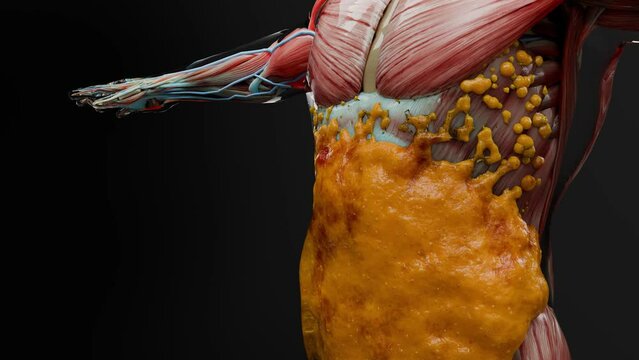





Most people think fat loss depends entirely on brutal cardio sessions, cutting carbs, or spending hours in the gym.
But one of the most effective metabolic habits for improving body composition may actually be something far simpler:
Walking after meals.
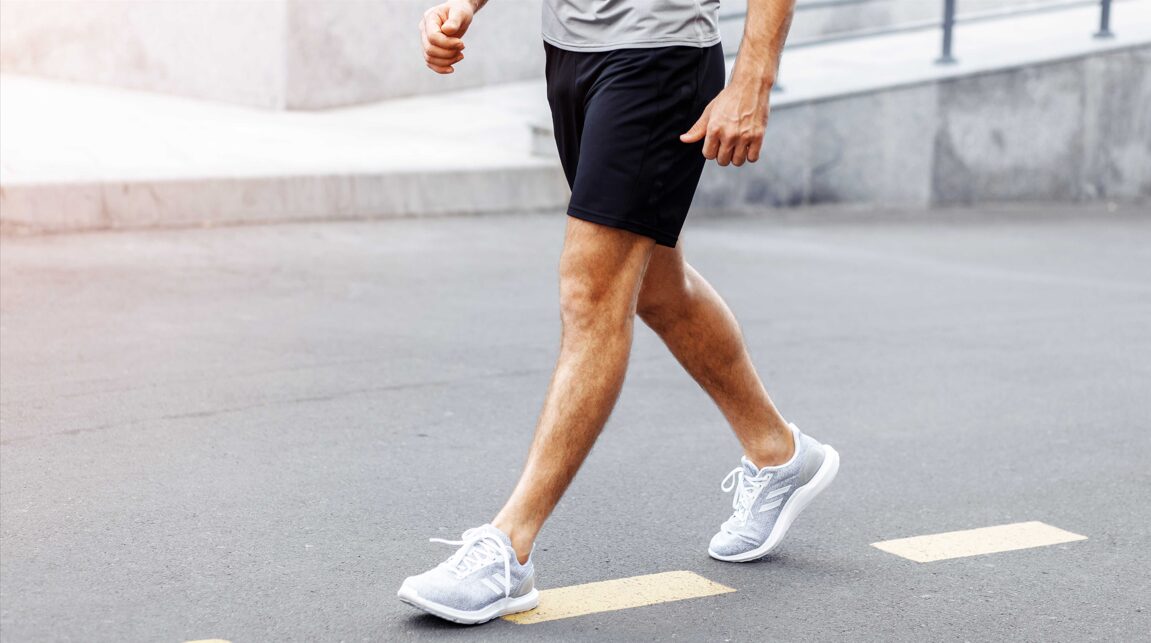
Research shows that short walks after eating can improve blood sugar control, digestion, energy levels, and even long-term fat loss efficiency — without exhausting recovery or increasing hunger.
In this article, we’ll break down why walking after meals works, what science says about it, and why it may be one of the easiest habits to improve your physique and health.
What Happens to Your Body After Eating
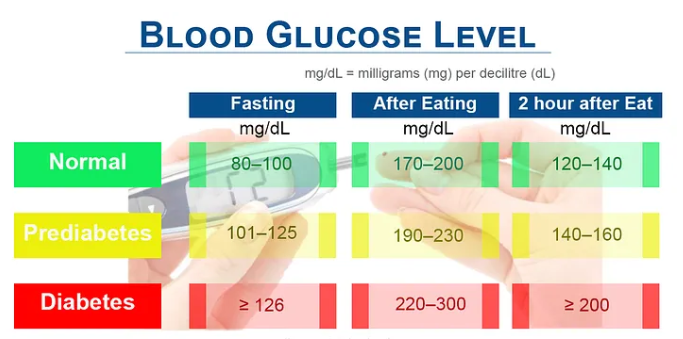
After you eat, especially carbohydrates, blood glucose levels begin to rise.
In response, the body releases insulin to move glucose into cells for energy or storage.
When physical activity is low after meals:
- Blood sugar remains elevated longer
- Insulin levels stay higher
- Energy crashes become more likely
- Excess calories are more easily stored
This is where walking becomes surprisingly powerful.
Even light movement significantly changes how nutrients are handled after eating.

How Walking After Meals Improves Blood Sugar
Research consistently shows that walking after meals helps reduce post-meal blood glucose spikes.
When muscles contract during walking, they pull glucose from the bloodstream directly for energy.
This means:
- Lower blood sugar spikes
- Reduced insulin demand
- Better nutrient partitioning
- Improved insulin sensitivity over time
Studies show that even a short 10–15 minute walk after meals can improve glucose regulation compared to remaining sedentary.
This effect becomes even more important for people dieting for fat loss, where stable energy and appetite control matter.
Walking After Meals and Fat Loss
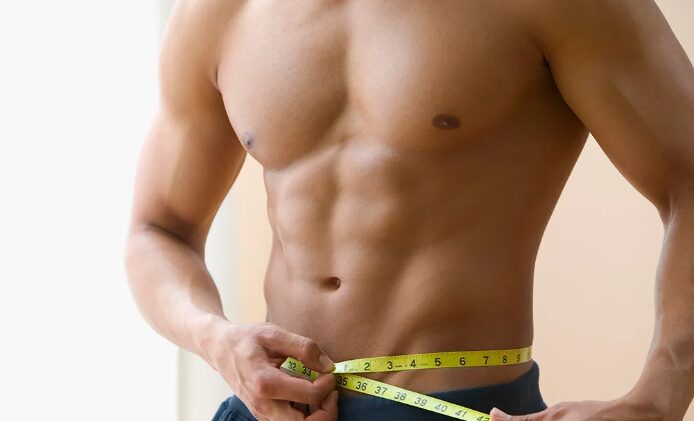
Walking after meals is not a “fat-burning hack.”
The real benefit comes from improving metabolic efficiency across the entire day.
Walking after eating may help fat loss by:
- Increasing daily calorie expenditure
- Improving insulin sensitivity
- Reducing inactivity after large meals
- Helping regulate appetite and cravings
- Supporting consistent energy output
Unlike high-intensity cardio, walking produces very little recovery fatigue.
This makes it easier to perform consistently without interfering with weight training or increasing hunger excessively.
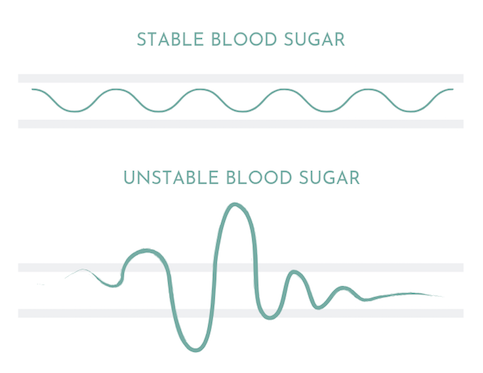
Why Blood Sugar Stability Matters for Appetite
Large blood sugar swings often lead to:
- Cravings
- Energy crashes
- Increased hunger
- Poor food choices later in the day
When blood sugar rises rapidly and then drops quickly, appetite tends to increase.
Walking after meals helps smooth out these fluctuations.
This is one reason many people notice better appetite control and fewer cravings when they stay active after eating.
The effect is especially noticeable after high-carbohydrate meals.
Digestion and Energy Benefits
Walking after meals may also improve digestion.
Light movement helps stimulate gastrointestinal motility, which can reduce feelings of heaviness or sluggishness after eating.
Many people also report:
- Less bloating
- Better energy levels
- Improved mental clarity
- Reduced post-meal sleepiness
The key is intensity.
Very hard exercise immediately after eating can sometimes worsen digestion, while light walking tends to improve it.
How Long Should You Walk After Eating?
You do not need hour-long walks.
Research suggests benefits can occur with:
- 5–10 minutes of walking
- Slow to moderate pace
- Walking shortly after meals
Longer walks can increase calorie expenditure further, but consistency matters more than duration.
Even small walks performed daily add up significantly over time.
Is Walking After Meals Better Than Fasted Cardio?
For many people, yes.
Unlike fasted cardio, walking after meals:
- Supports blood sugar regulation
- Improves digestion
- Causes minimal muscle breakdown
- Produces very low recovery stress
- Is easier to recover from consistently
Fasted cardio may slightly increase fat oxidation during exercise, but walking after meals often provides more sustainable metabolic benefits with fewer downsides.
The Biggest Mistake People Make
The biggest mistake is assuming exercise only counts if it feels exhausting.
In reality, some of the most effective habits are the easiest to recover from and repeat consistently.
Three short walks per day after meals can dramatically increase daily movement without harming gym performance or recovery.
Most people underestimate how powerful small daily behaviors become when repeated for months.
Image
Final Takeaway
Walking after meals may be one of the simplest ways to improve fat loss, blood sugar control, digestion, and daily energy levels.
It requires no equipment, creates almost no fatigue, and is easy to maintain long term.
While it won’t replace proper nutrition or resistance training, it can significantly improve how your body handles food and energy throughout the day.
Sometimes the most effective strategies are not the most extreme.
They’re the ones you can actually sustain.
Want to Learn More?
If you want to understand why low-intensity activity can sometimes outperform extreme cardio for long-term fat loss, check out our article “Does Fasted Cardio Burn Fat: Are You Losing Muscle Instead?” where we break down the science behind fat oxidation, muscle preservation, and sustainable conditioning.

Mario Latinski is a passionate bodybuilder and fitness enthusiast dedicated to sharing science-based insights on training, nutrition, and muscle growth. With years of experience in the gym, he combines personal experience with research-backed strategies to help others build strength, improve performance, and achieve their physique goals. Outside the gym, Mario enjoys experimenting with meal planning, supplements, and fitness science to optimize results and inspire others.