






Does protein damage your kidneys? This question has become one of the most common concerns among people following high-protein diets, especially bodybuilders, athletes, and fitness enthusiasts. While many believe that eating a lot of protein is dangerous for kidney health, scientific research tells a very different story.
This article breaks down what actually happens inside the body, what the research shows, and when protein can become a problem.
Where the Myth That Protein Damages Your Kidneys Comes From
The idea that protein damages the kidneys comes from studies involving people with pre-existing kidney disease. In those individuals, excessive protein intake can worsen kidney stress because their kidneys are already compromised.
However, this finding was mistakenly applied to healthy people, even though their kidneys function normally and adapt well to increased protein intake.

Does Protein Damage Your Kidneys in Healthy People?
Multiple long-term studies show that high protein intake DOES NOT harm kidney function in healthy individuals.
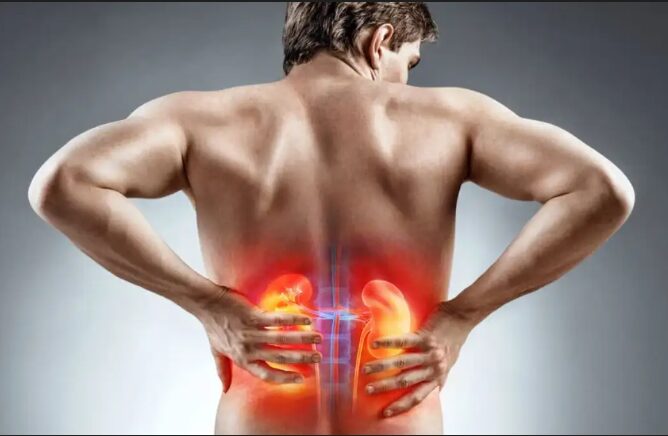
Research has consistently found:
- No decline in glomerular filtration rate (GFR)
- No structural kidney damage
- No increased risk of chronic kidney disease
Key Studies:
- Poortmans & Dellalieux (2000) – Found no adverse kidney effects in athletes consuming high-protein diets
https://pubmed.ncbi.nlm.nih.gov/10722779/ - Antonio et al., 2016 – Participants consuming up to 3.4 g/kg of protein showed no kidney dysfunction
https://pubmed.ncbi.nlm.nih.gov/27807480/ - Devries et al., 2018 (Journal of Nutrition) – Long-term high-protein diets had no harmful renal effects in healthy adults
https://pubmed.ncbi.nlm.nih.gov/29438480/
These studies clearly show that protein does not damage healthy kidneys.
Why High Protein Intake Can Look Dangerous on Blood Tests
High protein intake can temporarily increase:
- Blood urea nitrogen (BUN)
- Creatinine levels
This does not mean kidney damage. It reflects increased protein metabolism and muscle mass, not reduced kidney function. In physically active individuals, these markers often appear elevated while kidney filtration remains normal.
When Protein Can Be a Problem
Protein intake can be an issue if someone already has:
- Chronic kidney disease (CKD)
- Reduced kidney filtration
- Advanced diabetes-related kidney damage
In these cases, protein restriction may slow disease progression — but this does not apply to healthy individuals.
The Real Takeaway
Does protein damage your kidneys?
Not if your kidneys are healthy!
High-protein diets are safe for the vast majority of people and are supported by decades of clinical research. The fear surrounding protein intake is based on outdated assumptions, not modern science.
Want to Learn More?
If you’re still unsure about how nutrition affects your body, you might also want to read our deep dive on Does Fasted Cardio Actually Burn More Fat? where we break down what science really says about fat loss, metabolism, and performance.
There’s that — and many more evidence-based articles waiting for you right here on the site to help you train smarter, eat better, and avoid common fitness myths.

Mario Latinski is a passionate bodybuilder and fitness enthusiast dedicated to sharing science-based insights on training, nutrition, and muscle growth. With years of experience in the gym, he combines personal experience with research-backed strategies to help others build strength, improve performance, and achieve their physique goals. Outside the gym, Mario enjoys experimenting with meal planning, supplements, and fitness science to optimize results and inspire others.