



Most fat-loss advice boils down to one idea:
eat less and train more.
And at first, that works. But sooner or later, many people hit the same wall. Calories are low, training volume is high, energy is gone — and fat loss slows or completely stops.
That’s not because you suddenly became lazy or undisciplined. It’s because fat loss is not driven only by workouts. In fact, a large part of daily calorie burn happens when you’re not exercising at all.
This is where thermogenesis comes in — and why understanding it properly can change how you approach fat loss.
Fat Burning Doesn’t Happen Only in the Gym
Your body burns calories all day long, not just during workouts. The energy you expend daily comes from several sources:
You burn calories just staying alive.
You burn some through exercise.
You burn some digesting food.
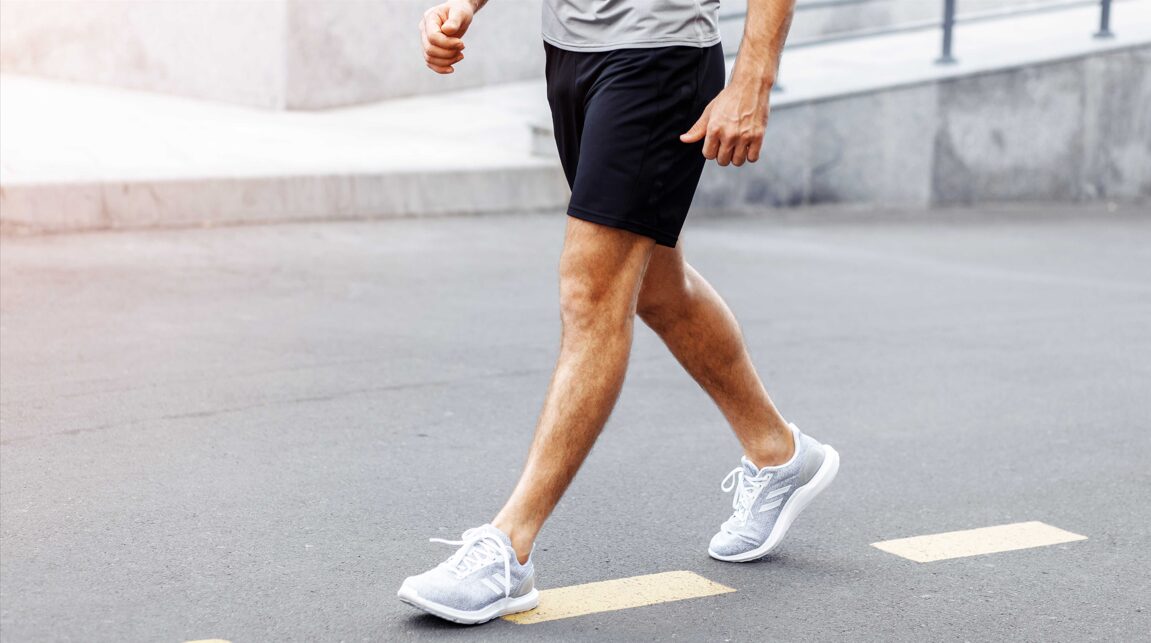
And you burn a surprising amount through everyday movement — walking, standing, shifting positions, fidgeting, doing chores.
That last part is called non-exercise activity thermogenesis, or NEAT, and it’s one of the most overlooked factors in fat loss.
Two people can eat the same number of calories and follow the same training plan, yet burn vastly different amounts of energy simply because one moves more throughout the day without thinking about it.

Why Dieting Often Slows Fat Loss Instead of Speeding It Up
Here’s the uncomfortable truth: when you diet, your body fights back.
As calories drop, the body tries to conserve energy. You don’t usually notice it happening, but movement starts to decline. You sit more. You walk less. You feel mentally and physically heavier.
This is not a mindset issue — it’s biology.
At the same time, metabolic signals change. Hormones involved in energy expenditure and appetite shift in a way that favors survival, not fat loss. The longer and harder the deficit, the stronger this response becomes.
This process is known as adaptive thermogenesis, and it explains why extreme dieting often leads to plateaus, fatigue, and rebound weight gain.
Training harder on top of this stress rarely fixes the problem. In many cases, it makes it worse.
The “Hidden” Calories You Burn Without Realizing It
NEAT can vary massively between individuals. Some people naturally burn hundreds of extra calories per day through unconscious movement alone. Others burn very little.
The problem is that aggressive dieting tends to reduce NEAT automatically. Your body doesn’t want to waste energy when food is scarce, so it subtly shuts movement down.
That’s why people often feel like fat loss suddenly becomes “harder” despite doing more.
What About Cold Exposure and Brown Fat?
Brown fat has become a popular topic in recent years, especially with the rise of cold exposure and ice baths.
Brown fat does burn energy by producing heat, and cold exposure can increase its activity. But the effect is often overstated.
Yes, it exists.
Yes, it burns calories.
No, it is not a fat-loss shortcut.
Cold exposure may slightly increase energy expenditure, but it works best as a small addition — not a replacement for proper nutrition, movement, and recovery.
Protein and Thermogenesis
Another often overlooked factor is digestion itself.
Processing food costs energy, and protein is the most “expensive” macronutrient to digest. A significant portion of protein calories is burned during digestion alone.
This doesn’t mean protein calories don’t count, but it does help explain why higher-protein diets often support fat loss and body recomposition better than low-protein approaches.
Stress, Sleep, and Why Fat Loss Isn’t Just About Calories
Chronic stress and poor sleep quietly suppress fat burning.
Lack of sleep reduces daily movement, disrupts appetite regulation, and increases fatigue. Chronic stress shifts the nervous system toward energy conservation rather than energy expenditure.
In other words, even if calories stay the same, your body may burn less when recovery and stress management are ignored.
Fat loss is not just an equation — it’s a physiological state.
Thermogenesis 2.0: A Smarter Way to Approach Fat Loss
Thermogenesis 2.0 isn’t about tricks or biohacks. It’s about understanding how your body actually works.
Fat loss improves when you:
- Move more throughout the day, not just during workouts
- Avoid extreme calorie restriction
- Prioritize sleep and recovery
- Manage chronic stress
- Eat enough protein
- Train intelligently instead of endlessly
Often, protecting your metabolism and daily movement leads to better results than adding more cardio or cutting more food.
The Bottom Line
Fat loss doesn’t fail because people don’t try hard enough.
It fails because the body adapts.
When you understand thermogenesis — especially what happens outside the gym — fat loss becomes less about punishment and more about working with your biology instead of against it.
That’s what Thermogenesis 2.0 is really about.

Mario Latinski is a passionate bodybuilder and fitness enthusiast dedicated to sharing science-based insights on training, nutrition, and muscle growth. With years of experience in the gym, he combines personal experience with research-backed strategies to help others build strength, improve performance, and achieve their physique goals. Outside the gym, Mario enjoys experimenting with meal planning, supplements, and fitness science to optimize results and inspire others.