






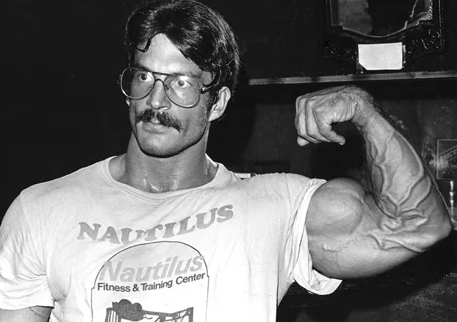
Mike Mentzer training style has divided the fitness world for decades. Was Mentzer a misunderstood genius, or did his High-Intensity Training (HIT) system convince generations to train too little? Modern exercise science now allows us to see exactly where Mentzer’s training style aligns with research — and where it doesn’t.
The truth is far more interesting than either side wants to admit.
What the Mike Mentzer Training Style Actually Involves
Mentzer’s philosophy was built on five core principles:
- Extremely low training volume
- One all-out working set per exercise
- Training to absolute muscular failure
- Heavy focus on progressive overload
- Long recovery periods (5–10 days per muscle)
A typical session might include:
- 4–7 total sets
- Less than 40 minutes of total work
- Every set taken to failure, sometimes beyond
This wasn’t lazy training — it was maximal intensity with minimal volume.
Where Science Supports the Mike Mentzer Training Style
1. Intensity Drives Growth
Research consistently shows that hypertrophy is driven mainly by mechanical tension and high motor unit recruitment. Once sufficient tension is applied, additional volume gives diminishing returns.
Studies indicate roughly 8–12 hard sets per muscle per week maximize growth for most lifters.
Mentzer was correct: quality beats quantity, and junk sets just add fatigue.
2. Training Close to Failure Works
EMG and muscle biopsy research shows:
- Full motor unit recruitment happens only near muscular failure
- Light or moderate weights only match heavy growth when taken to failure
Mentzer advocated extreme failure decades before science measured it — and he was right.
3. Recovery Matters
Muscle grows during recovery, not during training. Overdoing volume increases:
- CNS fatigue
- Joint stress
- Cortisol output
- Plateau risk
Mentzer understood that progress stops without proper rest — something modern research strongly confirms.
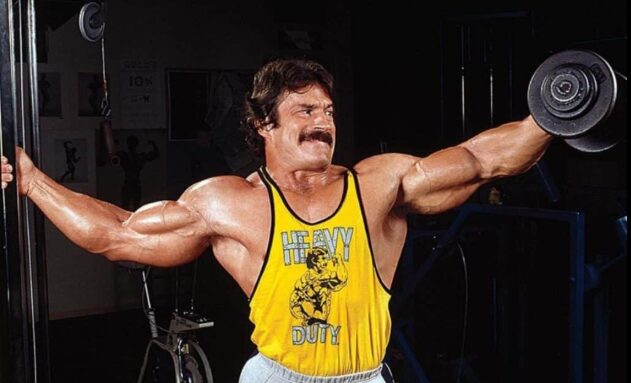
Where Research Disagrees With Mentzer
1. One Set Is Rarely Enough
Although one set can stimulate growth, 2–4 working sets outperform a single set for most lifters. Multiple sets:
- Extend protein synthesis
- Increase mechanical tension exposure
- Produce better long-term results
Mentzer’s one-set approach was under-dosed for most people.
2. Failure Every Set Isn’t Optimal
Constant failure training increases:
- Neural fatigue
- Recovery time
- Risk of burnout
Modern evidence suggests:
- Train near failure most of the time
- Push failure strategically, not every set
Mentzer made failure the rule; science makes it the exception.
3. Very Low Frequency Limits Growth
Mentzer often trained muscles once every 7–10 days. Studies show:
- Muscle protein synthesis returns to baseline in 24–72 hours
- Training muscles twice weekly usually produces better hypertrophy
Short-term rest feels good but may reduce overall growth for natural lifters.
The Part People Overlook
Mentzer was:
- Genetically gifted
- Exceptionally strong
- Training under Arthur Jones
- Using anabolic steroids
Steroids accelerate recovery and allow higher intensity, which explains why some lifters succeed with his extreme system.
Modern Hybrid Approach (Science-Backed Mentzer Style)
A science-based version of Mentzer’s training style looks like:
- 2–3 working sets per exercise
- 8–12 hard sets per muscle per week
- Train within 1–2 reps of failure, pushing failure occasionally
- Train muscles twice weekly
- Focus on progressive overload
This keeps Mentzer’s principles without overtraining or limiting growth.
Final Takeaway
Mike Mentzer wasn’t crazy. Science shows:
- Intensity and recovery are crucial
- One set and extreme failure isn’t optimal for everyone
- Moderate volume + high intensity + smart recovery works best
His philosophy was ahead of its time, but modern research completes the picture.
If you’d like to learn more about why muscle growth sometimes stalls and how to fix it, check out
Hypertrophy Nervous System: Why Muscle Growth Stops and How to Fix It
It complements the Mentzer piece because it dives into recovery, intensity, and nervous system fatigue, which are all key points in his HIT system.

Mario Latinski is a passionate bodybuilder and fitness enthusiast dedicated to sharing science-based insights on training, nutrition, and muscle growth. With years of experience in the gym, he combines personal experience with research-backed strategies to help others build strength, improve performance, and achieve their physique goals. Outside the gym, Mario enjoys experimenting with meal planning, supplements, and fitness science to optimize results and inspire others.


