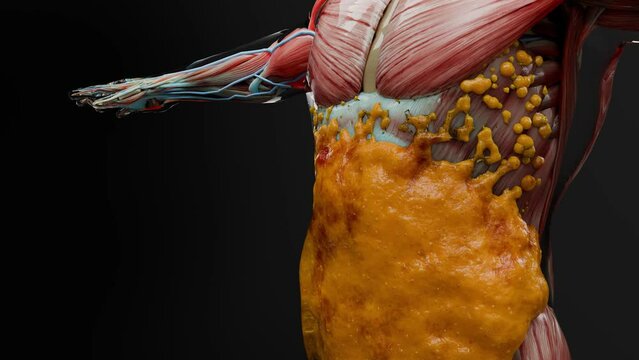






Fasting and muscle mass have a complex relationship that many people misunderstand. While fasting is widely known for its benefits on fat loss and overall health, its impact on muscle mass is often debated. Understanding how the body responds to periods without food helps you use fasting strategically without sacrificing strength or muscle.
How Fasting Shapes Your Physique and Overall Health
How Fasting Impacts Muscle Mass
Fasting and muscle mass are closely linked because the body relies on both stored fat and amino acids when energy intake pauses. In short fasting windows, the body is surprisingly efficient at preserving muscle. Growth hormone rises, insulin drops, and fat becomes the primary fuel source. These physiological changes allow the body to protect lean mass even when food is absent.

The Body’s Hormonal Shift During a Fast
When fasting begins, insulin falls rapidly. Low insulin tells the body to switch from storing energy to burning it. Shortly after, growth hormone increases, which supports fat mobilization and shields muscle tissue from breakdown. This combination is why people can fast for many hours without immediately losing muscle.
Protein Breakdown During Longer Fasts
Extended fasting beyond twenty-four hours becomes a different physiological environment. After the first day, the body starts to tap into amino acids more aggressively. This does not mean instant muscle loss, but it does mean that multi-day fasting must be approached strategically, especially for lifters or athletes. Without adequate refeeding and strength training, longer fasts can begin to reduce the muscle you worked so hard to build.

Fasting and Muscle Gain Potential
Some people gain muscle while fasting, but the window for growth is tied to how they train and how they eat once the fast ends. Resistance training remains the primary stimulus for hypertrophy. If training intensity stays high and protein intake during the eating window is sufficient, fasting does not block muscle gain. The challenge is simply hitting enough calories and protein within a shorter timeframe.

Muscle Protein Synthesis in a Compressed Eating Window
Muscle protein synthesis depends on amino acids and mechanical tension from training. During a fasting plan with short eating windows, each meal becomes more important. High-quality protein and balanced nutrition allow the body to repair and grow despite limited feeding windows. When managed correctly, fasting and muscle mass can actually coexist far more easily than most people think.
How Fasting Affects Overall Health
Fasting influences far more than body composition. The metabolic shifts create a cascade of benefits that extend to cellular health, inflammation reduction, and metabolic flexibility. These adaptations occur regardless of whether the goal is fat loss, longevity, or improved energy.

Improved Insulin Sensitivity
One of the strongest benefits of fasting is improved insulin sensitivity. As the body becomes more efficient at utilizing glucose, energy levels stabilize, cravings drop, and fat loss becomes easier. Better insulin sensitivity also protects long-term metabolic health, lowering the risk of conditions like type 2 diabetes.

Cellular Autophagy and Repair
Autophagy is a natural process where the body recycles damaged cells and proteins. Fasting triggers this repair mechanism, helping tissues remain healthier and more resilient. Autophagy is one of the reasons fasting is often discussed in the context of longevity and disease prevention.
Inflammation Reduction and Hormonal Balance
Fasting helps reduce inflammation, leading to better recovery, improved digestion, clearer energy, and even better hormone balance. Lower inflammation levels make training more productive because the body recovers more efficiently between workouts.

Balancing Fasting With Strength Training
To preserve muscle, strength training must remain consistent. Training acts as a signal to the body that muscle tissue is important and must be protected, even during fasting periods. Without this stimulus, prolonged fasting can lead to unnecessary muscle breakdown.

Refeeding After a Fast
The period after fasting is just as important as the fast itself. A balanced refeed with protein, carbohydrates, and micronutrients allows the body to replenish glycogen, support recovery, and rebuild tissue. Proper refeeding turns fasting into a net positive instead of a muscle-loss risk.

Is Fasting Right for Everyone?
Fasting is powerful, but not universal. Individuals with high physical demands, extremely fast metabolisms, or very low body fat might find longer fasting periods counterproductive. Others, especially those with higher body fat, often respond exceptionally well. It’s about matching the fasting style to your training, lifestyle, and goals.
Final Thoughts on Fasting and Muscle Mass
Fasting can be an effective strategy for improving overall health without destroying muscle. Short and well-structured fasts preserve lean mass, support fat loss, and boost metabolic function. Longer fasts provide deep cellular benefits but require thoughtful planning to avoid muscle breakdown. When combined with consistent strength training and smart nutrition, fasting and muscle mass no longer stand in opposition — they complement each other.

Mario Latinski is a passionate bodybuilder and fitness enthusiast dedicated to sharing science-based insights on training, nutrition, and muscle growth. With years of experience in the gym, he combines personal experience with research-backed strategies to help others build strength, improve performance, and achieve their physique goals. Outside the gym, Mario enjoys experimenting with meal planning, supplements, and fitness science to optimize results and inspire others.