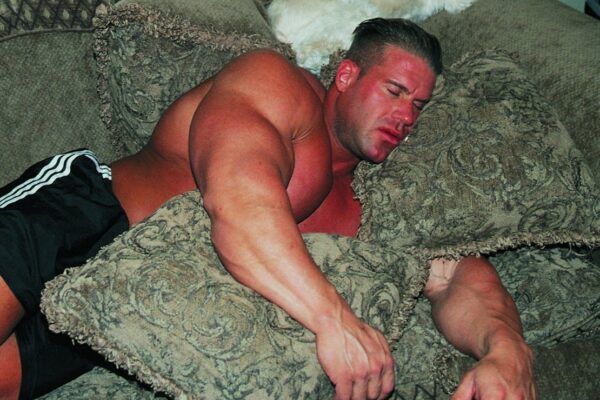
Sleep and Muscle Growth: If You Sleep Less Than 7 Hours, Your Training Is Basically Useless
Sleep and muscle growth are closely linked. Sleeping less than 7 hours per night can reduce recovery, fat loss, and training performance.





Sleep and muscle growth are closely linked. Sleeping less than 7 hours per night can reduce recovery, fat loss, and training performance.
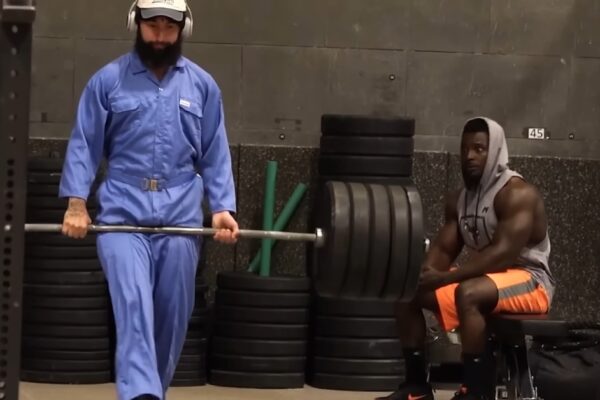
Why do some people get stronger without gaining muscle? This article breaks down the real science behind neural adaptations, technique, and strength development—without the myths.
Is muscle growth really limited by genetics, or is your training the real problem? This article breaks down the science behind genetics vs training, exposing what actually determines muscle growth potential—and why most lifters blame DNA when their workouts are the real issue.
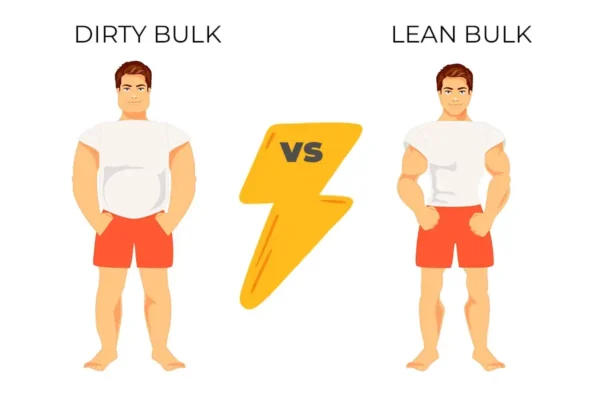
When it comes to packing on size, the fitness world is sharply divided into two camps. On one side, you have the “Dirty Bulkers”—the crowd that believes a massive caloric surplus fueled by pizza and milkshakes is the only way to move the needle on the scale. On the other, you have the “Lean Bulkers,” who meticulously track every gram of rice and chicken to ensure they gain muscle with surgical precision

Is muscle soreness really required for muscle growth, or is “no pain, no gain” just a myth? This article breaks down the science behind DOMS, hypertrophy, and why soreness is not a reliable indicator of workout effectiveness.

Mike Mentzer’s training style has divided the fitness world for decades. Science now reveals where his High-Intensity Training principles actually work — and where they fall short. Discover how to use Mentzer’s approach effectively without limiting muscle growth.

Fat loss isn’t driven only by workouts and calorie counting. A large part of daily fat burning happens outside the gym through processes like thermogenesis, daily movement, and metabolic adaptation. This article explains how your body actually burns fat — and why training harder isn’t always the answer.

The 1997 Mr. Olympia controversy shocked fans worldwide. Nasser El Sonbaty appeared superior, but the title stayed with Dorian Yates. What really decided it?

When a bodybuilder dies young, speculation spreads fast. Steroids, genetics, and “bad luck” are often blamed. But bodybuilder autopsies reveal consistent physiological patterns — from enlarged hearts to kidney stress — that rarely make it into mainstream fitness media. These findings are based on medical evidence, not rumor, and they highlight the hidden costs of…

Does protein damage your kidneys? Many people believe high-protein diets are harmful, but science tells a very different story. This article breaks down what actually happens inside your body when protein intake goes up.